
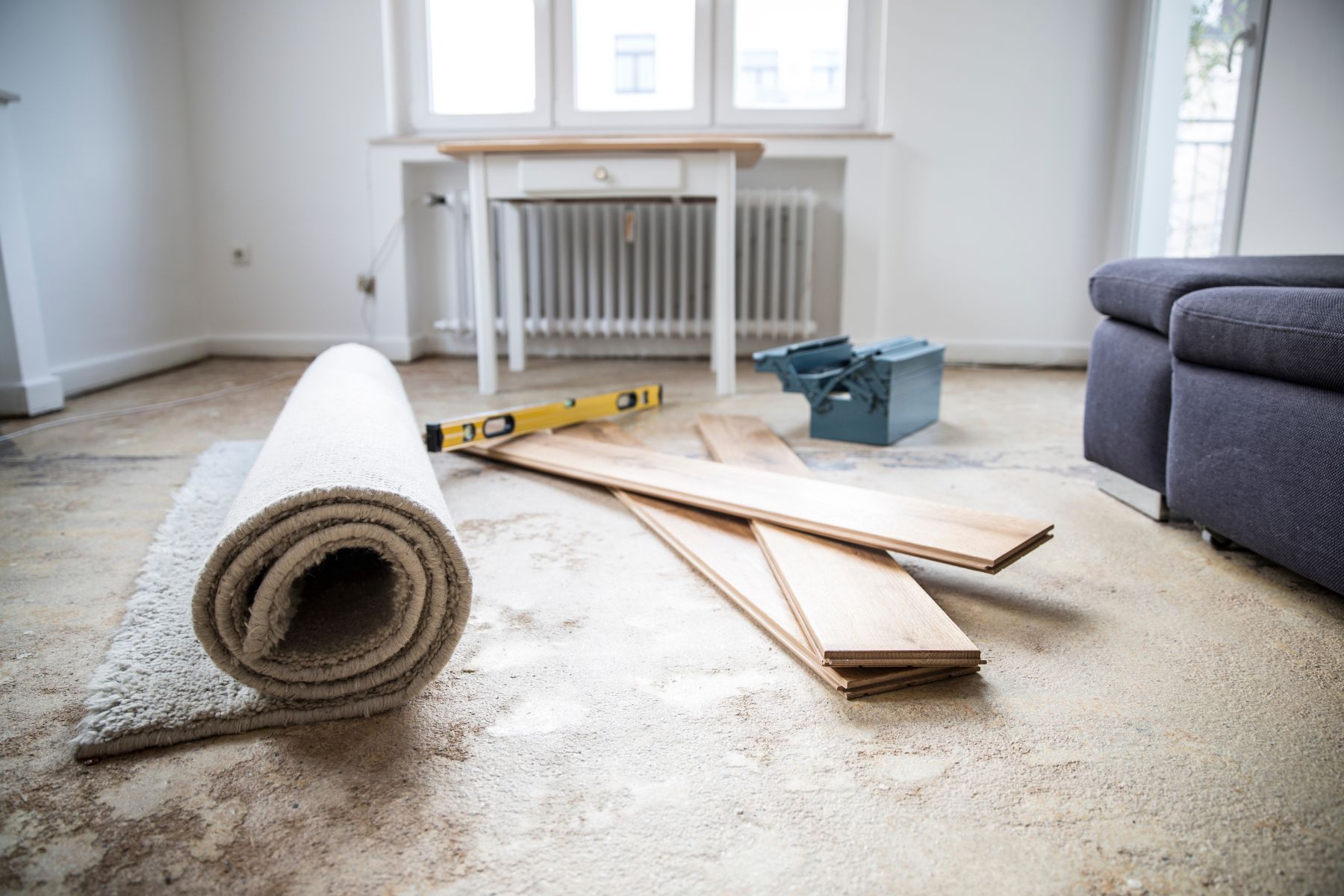
Photo by westend61 Photo On Envato Elements
In today’s market, where homeowners are increasingly conscious about renovation costs, the question of DIY versus professional flooring installation deserves careful consideration. As industry experts with decades of experience, we understand the appeal of saving money through self-installation, but also recognize the complexities that many homeowners may not anticipate.
The Financial Equation of DIY Flooring
The most compelling reason homeowners consider DIY installation is undoubtedly cost savings. Professional installation typically adds $2-$7 per square foot to your project, depending on the flooring material and complexity. For a 500-square-foot area, this represents potential savings of $1,000-$3,500, a significant amount that could be allocated elsewhere in your renovation budget.
However, these calculations assume a successful first-time installation without costly mistakes. The reality often includes additional factors that can erode these theoretical savings.
Advantages of DIY Flooring Installation
-
Substantial Cost Savings
When executed correctly, self-installation eliminates labor costs, which typically account for 40-50% of your total flooring project budget.
-
Flexible Timeline
Professional installers often have scheduled appointments weeks or months in advance. DIY installation allows you to work according to your schedule, whether that means completing the project over several weekends or tackling small sections at a time.
-
Personal Satisfaction
There’s undeniable pride in pointing to your floors and knowing you installed them with your own hands. This sense of accomplishment represents value beyond mere financial savings.
-
Knowledge Acquisition
Completing your flooring installation provides valuable skills and understanding of your home’s construction that may prove useful for future maintenance or renovation projects.
The Hidden Challenges of DIY Installation
-
Technical Expertise Requirements
Different flooring materials demand specific technical knowledge and specialized tools. For example:
- Hardwood installation requires precise measurement, cutting skills, and understanding of expansion gaps
- Tile necessitates precise leveling, proper mortar application, and grout techniques
- Luxury vinyl plank demands careful subfloor preparation and temperature acclimation
Without this expertise, the quality and longevity of your installation may be compromised.
-
Tool Investment
Professional-grade installation tools can be expensive. From pneumatic flooring nailers for hardwood to wet saws for tile cutting, these specialized tools represent an upfront investment that erodes your potential savings, particularly for one-time projects.
-
Time Commitment
Professional teams can complete in days what might take a DIY installer weeks to finish. A 500-square-foot hardwood installation might require 1-2 days for professionals but 1-2 weeks for a novice working alone on evenings and weekends.
-
Potential for Costly Errors
Minor mistakes in measurement, cutting, or installation technique can result in:
- Excessive material waste
- Premature floor failure
- Voided manufacturer warranties
- Uneven surfaces or visible seams
- Moisture intrusion and subsequent damage
Rectifying these errors often costs more than the initial professional installation would have.
-
Physical Demands
Flooring installation is physically demanding work that requires extended periods of kneeling, bending, and lifting. The physical toll on inexperienced installers shouldn’t be underestimated.
When DIY Makes Sense
Self-installation is most appropriate when:
- You have previous experience with similar projects
- The installation area is relatively small and straightforward
- You’re working with forgiving materials like certain floating floors
- You have access to proper tools and workspace
- Your timeline is flexible
- You’re physically capable of handling the demands
When Professional Installation Is Worth the Investment
Consider professional installation when:
- You’re installing high-value materials where mistakes would be costly
- The project involves complex patterns, transitions, or challenging spaces
- Substrate issues require professional assessment and preparation
- Manufacturer warranties require professional installation
- Time constraints make rapid completion a priority
- Special techniques are required (inlays, borders, or complex cuts)
The Compromise Approach
Many homeowners find value in a hybrid approach:
- Hire professionals for critical substrate preparation and technical aspects
- Handle simpler aspects of the project yourself
- Consider professional installation for public spaces and DIY for less visible areas
This balanced approach often delivers the best combination of quality, savings, and satisfaction.
The Long-Term Perspective
When evaluating DIY versus professional installation, consider not just the immediate financial impact, but the long-term value. Professional installation typically delivers:
- Superior durability and performance
- Maintained manufacturer warranties
- Higher property resale value
- Reduced maintenance requirements
- Peace of mind in knowing the job was done right
Making Your Decision
Ultimately, the decision between DIY and professional flooring installation should balance several factors:
- Your experience level and technical aptitude
- The complexity and scale of your project
- Your budget constraints and timeline
- The value of the flooring materials
- Your physical capabilities
- How the space will be used long-term
For many homeowners, the apparent savings of DIY installation must be weighed against the potential for costly mistakes, extended project timelines, and the physical demands of the work.
—–
With decades of experience in the flooring industry, we’ve seen the satisfaction of successful DIY projects and the frustration of installations gone wrong. Whether you choose to tackle your flooring project yourself or entrust it to professionals, proper planning, realistic expectations, and quality materials remain the foundation of lasting results.
